Addiction and Denial: How to Overcome Barriers to Getting Help
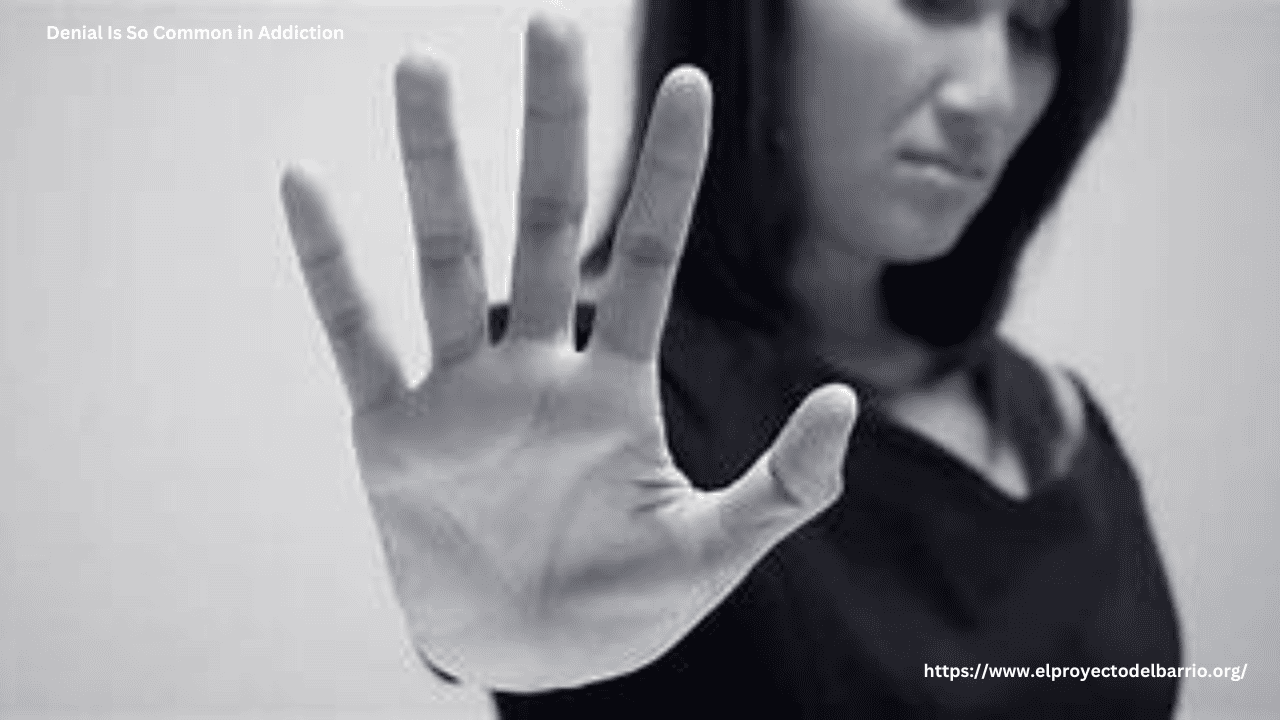
Addiction is a powerful force that can take over a person’s life, but one of the biggest obstacles to recovery is denial. Many people struggling with addiction convince themselves that they are in control, that they don’t have a problem, or that they can quit anytime they want. Unfortunately, denial keeps individuals trapped in a cycle of substance abuse, preventing them from seeking the help they desperately need. Understanding this barrier and learning how to overcome it is a crucial step toward recovery.
Why Denial Is So Common in Addiction
Denial is a defense mechanism that helps people avoid painful truths. There are several reasons why those suffering from addiction might refuse to acknowledge the severity of their situation:
- Fear of Change – The thought of life without drugs, alcohol, or other addictive behaviors can be overwhelming.
- Shame and Guilt – Many individuals feel embarrassed or guilty about their addiction, leading them to hide or minimize the problem.
- Social and Cultural Stigma – Addiction is often misunderstood, and fear of being judged prevents people from speaking up.
- False Sense of Control – Some believe they can quit on their own without professional help, even after multiple failed attempts.
- Comparison to Others – People may justify their addiction by believing they are not “as bad” as others who struggle more openly.
Recognizing denial is the first step toward breaking free from addiction.
Signs That Denial Is Keeping You from Seeking Help
If you or someone you love is struggling with addiction but reluctant to get help, these signs of denial may be present:
- Minimizing the Problem – Saying things like “I don’t drink that much” or “I only use occasionally” to downplay the severity of the addiction.
- Blaming Others – Blaming work stress, relationships, or past trauma for substance use instead of recognizing it as an addiction.
- Making Excuses – Saying “I can stop whenever I want” or “I need this to relax” rather than acknowledging dependency.
- Avoiding Conversations About Addiction – Becoming defensive, angry, or dismissive when others express concern.
- Experiencing Negative Consequences but Ignoring Them – Losing a job, damaging relationships, or facing legal trouble due to addiction but refusing to accept responsibility.
How to Overcome Denial and Seek Help
Breaking through denial is difficult, but it is possible with self-awareness and support. Here are steps to take:
1. Be Honest with Yourself
Take a moment to reflect on how addiction has affected your life. Consider writing down the ways it has hurt your relationships, health, or career.
2. Listen to Loved Ones
If friends or family members express concern, don’t dismiss their worries. They care about you and want to help.
3. Educate Yourself About Addiction
Learning about how addiction affects the brain and body can help you understand that it’s a medical condition, not a moral failing.
4. Seek Professional Guidance
A therapist, doctor, or addiction specialist can provide an objective assessment and recommend treatment options tailored to your needs.
5. Attend a Support Group
Hearing stories from others in recovery can help you see that you’re not alone and that change is possible.
6. Take Small Steps Toward Change
You don’t have to fix everything overnight. Start by acknowledging the problem and exploring options for treatment.
Final Thoughts
Denial can be a powerful barrier to recovery, but it doesn’t have to keep you trapped in addiction. By facing the truth, seeking support, and taking small steps toward healing, you can break free and reclaim your life. If you or someone you know is struggling, don’t wait—help is available, and recovery is possible.