You’re Not Alone: Finding Support Systems for Addiction Recovery
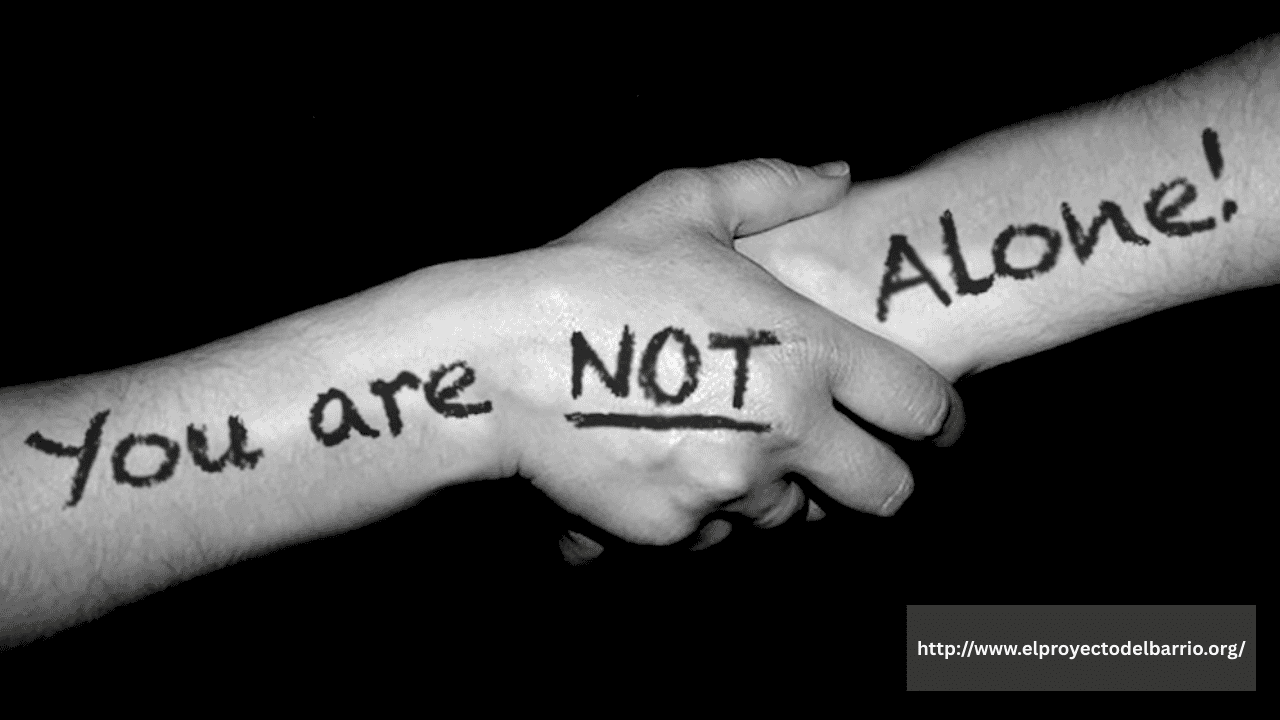
Recovering from addiction is a challenging journey, but one of the most important truths to remember is this: you are not alone. No matter how deep the addiction, no matter how isolated you may feel, there are people, programs, and communities ready to support you every step of the way. Building a strong support system can make a significant difference in maintaining long-term recovery and rebuilding a healthier, more fulfilling life.
The Importance of Support in Recovery
Addiction thrives in isolation. Many people who struggle with addiction feel shame, guilt, or fear of being judged, which causes them to withdraw from family, friends, and society. But recovery is not something you have to do on your own. In fact, trying to recover without support can make the process even more difficult and increase the risk of relapse.
Support systems provide emotional encouragement, practical advice, accountability, and a sense of connection. Knowing that someone understands your struggle and stands beside you can be the strength you need to keep going, even on the hardest days.
Types of Support Systems
There are several kinds of support systems that play a valuable role in addiction recovery:
1. Family and Friends
Having loved ones who care about your well-being is powerful. Open, honest communication with supportive family members or friends can rebuild trust and strengthen your emotional foundation. It’s important to set healthy boundaries and ensure that the people in your life are genuinely supportive of your recovery goals.
2. Support Groups
Peer-led support groups like Alcoholics Anonymous (AA), Narcotics Anonymous (NA), SMART Recovery, or Celebrate Recovery offer safe spaces where people share their experiences, victories, and struggles. These meetings remind you that you’re not alone and allow you to learn from others who are also walking the path of recovery.
3. Therapists and Counselors
Licensed therapists and addiction counselors are trained to help you uncover the root causes of your addiction, cope with cravings, manage stress, and deal with co-occurring mental health issues like depression or anxiety. One-on-one therapy can be deeply healing and empowering.
4. Recovery Coaches or Sponsors
A recovery coach or sponsor is someone who’s further along in their sobriety and can offer guidance, support, and accountability. Having a sponsor gives you a trusted mentor to call when things feel overwhelming or when you need encouragement to stay on track.
5. Online Communities
For those who may not have in-person resources nearby, online forums, virtual meetings, and recovery apps provide accessible support. These communities are available around the clock and can help you stay connected no matter where you are.
How to Build Your Support System
-
Be honest about your needs and struggles.
-
Reach out to people you trust and let them know you’re working on recovery.
-
Attend meetings regularly to connect with others and stay motivated.
-
Stay open-minded—support may come from unexpected places.
-
Cut ties with individuals who enable or encourage addictive behavior.
Final Thoughts
You don’t have to fight addiction alone. Reaching out for help isn’t a weakness—it’s a brave and powerful act of self-love. Support is all around you, from loved ones and professionals to entire communities dedicated to recovery. When you allow others to walk beside you, recovery becomes more than possible—it becomes a shared journey filled with hope, healing, and new beginnings.