Beyond the Treatment Room: Building Healthy Family Dynamics After Drug & Alcohol Rehab
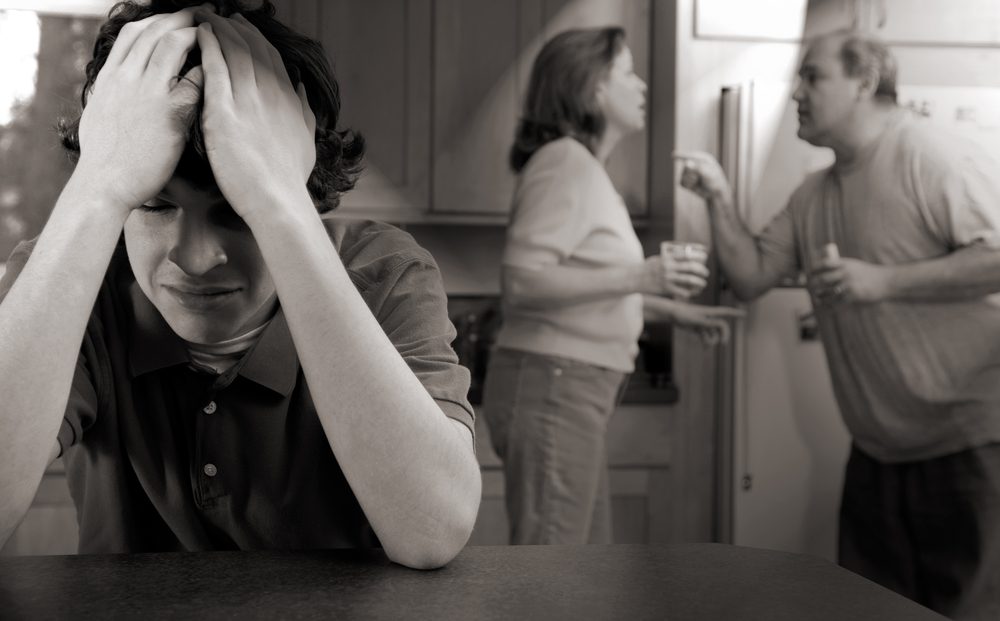
Completing a drug or alcohol rehab program is a major milestone, but recovery does not end when treatment does. For many individuals and families, the real work begins at home. Rebuilding trust, restoring communication, and creating healthier family dynamics are essential parts of long term recovery. When families understand their role and have the right support, healing can extend far beyond the treatment room and into everyday life.
Why Family Dynamics Matter After Rehab
Addiction often disrupts family relationships. Patterns of miscommunication, unresolved conflict, and emotional distance can develop over time. After rehab, these patterns do not automatically disappear. Without guidance and intention, they can quietly undermine recovery and increase the risk of relapse.
Healthy family dynamics provide stability, accountability, and emotional safety. They help individuals in recovery feel supported rather than judged, while also giving family members the tools they need to protect their own well being. Programs like those offered at El Proyecto del Barrio recognize that lasting recovery must address both individual and family healing.
Rebuilding Trust Takes Time and Consistency
Trust is often one of the most fragile elements after addiction treatment. Family members may want reassurance, while the person in recovery may feel discouraged by lingering doubt. Rebuilding trust requires patience on both sides.
Focus on Actions, Not Promises
Consistent actions matter more than words. Attending outpatient care, engaging in therapy, and following through on responsibilities show commitment to recovery. Families can support this process by acknowledging effort and progress, even when trust is still rebuilding.
Allow Space for Honest Conversations
Open communication creates opportunities for understanding and repair. This includes discussing fears, boundaries, and expectations in a respectful way. Family counseling can provide a structured and supportive environment for these conversations, especially when emotions run high.
Creating Healthy Communication Patterns
Clear and compassionate communication is one of the strongest protective factors in recovery. Families benefit from learning how to express concerns without blame and how to listen without defensiveness.
Practice Active Listening
Active listening involves giving full attention, reflecting back what you hear, and responding thoughtfully rather than reacting emotionally. This approach helps reduce conflict and builds mutual respect.
Avoid Old Roles and Labels
Addiction can lock families into roles such as the rescuer, the critic, or the silent observer. After rehab, it is important to release these labels and allow everyone to grow. Seeing your loved one as a person in recovery rather than their past behavior supports positive change.
Supporting Mental Health Alongside Sobriety
Substance use and mental health challenges often go hand in hand. Anxiety, depression, trauma, and stress can resurface after treatment, especially during life transitions. Ongoing mental health care is a vital part of maintaining healthy family dynamics.
El Proyecto del Barrio offers individualized care that addresses both addiction recovery and mental health treatment. When families understand the importance of continued therapy and outpatient services, they are better equipped to encourage balance and emotional wellness at home.
Embracing Holistic and Faith Based Healing
Recovery is more than avoiding substances. It is about building a meaningful and connected life. Holistic approaches such as mindfulness, wellness routines, and spiritual reflection can help families reconnect on a deeper level.
For many families, faith based support offers comfort, shared values, and a sense of purpose. Participating together in holistic or spiritual practices can strengthen bonds and reinforce hope during the recovery journey.
Setting Boundaries That Support Everyone
Healthy boundaries protect both the individual in recovery and their family. Boundaries might include expectations around household responsibilities, communication, or participation in ongoing care. These guidelines are not about control. They are about creating a stable and respectful environment where recovery can continue.
Family members should also set boundaries around their own needs. Self care, peer support groups, and counseling help families remain emotionally strong and present without becoming overwhelmed.
Moving Forward Together With Professional Support
Life after rehab can feel uncertain, but families do not have to navigate it alone. Continued inpatient or outpatient care, family therapy, and holistic services provide structure and guidance during this critical phase. Professional support helps families adapt to change, strengthen relationships, and stay aligned with recovery goals.
Healing Beyond Rehab Is Possible
Building healthy family dynamics after drug and alcohol rehab is a journey that requires commitment, compassion, and support. With open communication, clear boundaries, and ongoing care, families can transform past challenges into opportunities for growth and connection.
If your family is adjusting to life after treatment, El Proyecto del Barrio is here to help. Reach out today to learn how their comprehensive addiction recovery services, mental health treatment, and family centered approach can support lasting healing for everyone involved.